As smartphones are getting better at capturing images year after year, one might be wondering when, if at all, we will see smartphones directly competing with larger cameras. Are we at the point, or perhaps might be soon approaching one, where it won’t make any sense to buy a high-end DSLR or a mirrorless camera to capture professional-looking images? Now that smartphones like the iPhone 7 Plus are shipping with dual lenses (one standard wide-angle lens and one telephoto lens to capture portraits) and some manufacturers are even pushing larger sensors to specifically appeal the photography market, it is no wonder why some photographers might think that a smartphone is all they need to get professional results. During the past few years, I have been using a variety of different cameras with sensors ranging from tiny 1/3″ all the way to medium format, so I thought it would be a good idea to write an article about this particular topic, with some images to represent different cameras and sensor sizes.

Captured with my iPhone 6 Plus, ISO 32, 1/950, f/2.2
Let’s take a look at what is and what isn’t possible with small vs large sensor cameras.
1) Do Smartphones Threaten Dedicated Cameras?
As you may already know, pretty much all major manufacturers, including Nikon and Canon have been reporting decreased camera sales during the past few years. We have written about these trends a few times, with Michael Heath writing his analysis in 2015, then Thomas Stirr writing a rebuttal in response to the article, followed by yet another article on the same topic earlier this year. In addition to the above, other team members have also written their thoughts on the camera industry and its future when considering new mirrorless technologies and other factors. So overall, we have written quite a bit on this subject at Photography Life. My intention is not to continue the debates, but rather to present my thoughts, accompanied by some pictures on the current potential of the smartphone industry.

iPhone 6 Plus + iPhone 6 Plus back camera 4.15mm f/2.2 @ 4.15mm, ISO 80, 1/15, f/2.2
First of all, I strongly believe that smartphones are indeed impacting the overall camera industry and sales. The evidence of this change is found in the point-and-shoot market, which has been rapidly declining during the past few years. And for a good reason – why would anyone want to buy a point-and-shoot camera with a tiny sensor, when smartphones already have pretty decent image quality that is good enough for most people? Having been traveling extensively during the past couple of years, I see more people taking pictures with their phones and less with point-and-shoot cameras. With a smartphone, one has the option to take a picture and instantly share it with the world, so the question of image quality becomes somewhat secondary in nature.
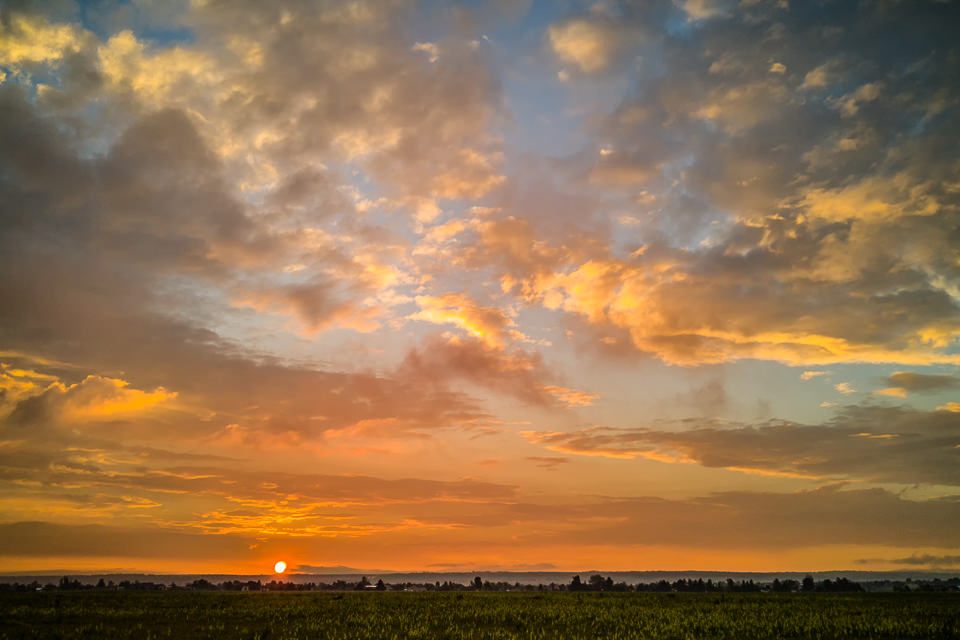
LG-H810 @ 4.42mm, ISO 50, 1/250, f/1.8
And with a plethora of options for achieving a fairly good image using various apps and filters, there is a sense of instant gratification, which also becomes a key part of the process. If an image looks good enough to be shown on Facebook or Instagram, why bother with other options? That’s where simplicity, ease of use and time savings kick in as well. Knowing this, smartphone manufacturers are also heavily pushing more and more features to make people want to buy their products, instead of spending money on dedicated cameras. From dumb point-and-shoot devices, smartphones are transitioning into highly capable image and video recording devices, with sophisticated and fairly accurate autofocus systems, improved image quality and lots of options to capture complex scenes using HDR and other technologies.

iPhone 6 Plus + iPhone 6 Plus back camera 4.15mm f/2.2 @ 4.15mm, ISO 40, 1/15, f/2.2
And the latest smartphone models are now even offering options for RAW image capture, which opens up post-processing opportunities to yield even higher image quality. Without a doubt, smartphones are playing a key role in eradicating the low-end point-and-shoot markets, where big camera manufacturers used to dominate in the past. And let’s not forget that those are also the markets that would yield high profit margins…

LG-H810 @ 4.42mm, ISO 50, 1/60, f/1.8
However, all this does not mean that the smartphone industry is capable of competing against large sensor cameras (and by “large sensor”, I mean relative to smartphones, with 1″ diagonal sensor and larger), at least at the moment. We have seen a few attempts at creating large sensor smartphones, but those attempts pretty much failed overall – an average consumer does not know or care about sensor size and various camera specifications. Megapixels still sell, and as long as the number is larger than 8 MP, the size of the sensor is not something most consumers would even look at. An average smartphone user does not know how the size of the physical sensor would correlate to things like pixel pitch, resolution, dynamic range and high ISO performance, or how the physical size and optical construction of a camera lens could influence the look of their images.

iPhone 6 Plus + iPhone 6 Plus back camera 4.15mm f/2.2 @ 4.15mm, ISO 50, 1/120, f/2.2
We as photographers, on the other hand, are much more well-versed in this area and we understand what differentiates a high-quality image from a dedicated large sensor camera, compared to results obtained from a smartphone. Most of us understand the limitations of smaller vs larger camera systems and we found our ways to work around those limitations. This means that when it comes to choosing camera gear, we are certainly going to factor in all those features and specifications. An average consumer would not be able to understand our considerations without proper education first, which is not something that is going to happen.

LG-H810 @ 4.42mm, ISO 50, 1/120, f/1.8
Even if camera manufacturers attempted to educate the general population, their marketing efforts would fail against the marketing budgets of much larger smartphone manufacturers. If Apple shows that the iPhone is good enough to capture beautiful images through those massive billboard-size “Shot on iPhone” campaigns, why wouldn’t people believe? Such powerful marketing works and we know it does, because the world has already purchased a billion of those iPhones and the iPhone constantly dominates top photography charts in terms of the most used camera capture tool.

iPhone 6 Plus + iPhone 6 Plus back camera 4.15mm f/2.2 @ 4.15mm, ISO 80, 1/4, f/2.2
So camera manufacturers now have a tough dilemma – unless the world is educated about things like sensor size and optics, they will continue to lose out in selling their lower-end offerings to that same crowd. However, I personally do not anticipate any significant changes in large sensor camera sales to the photography community, which is educated enough to understand the above-mentioned terminologies.

LG-H810 @ 4.42mm, ISO 50, 1/40, f/1.8
During the presentation of the iPhone 7 and iPhone 7 Plus, Apple specifically pointed out that the iPhone would not be able to match the quality of a DSLR, even with all the fancy technology the company integrated into the new model, including a telephoto lens for portraiture.

iPhone 6 Plus + iPhone 6 Plus back camera 4.15mm f/2.2 @ 4.15mm, ISO 32, 1/1800, f/2.2
2) Sensor Size Matters
The question of sensor size comes up all the time, but at the end of the day, how important is it? We have all seen our share of photographers “down-scaling” their equipment to go for smaller and more compact camera systems, claiming that those cameras are “good enough” for their needs. Indeed, even 1″ camera sensors are capable of yielding superb results when compared to what we have had a few years back. If one determines what their target resolution and acceptable high ISO working range for their particular work is, along with the relevant lenses and accessories, perhaps moving down to a smaller system would make sense for them.

LG-H810 @ 4.42mm, ISO 50, 1/320, f/1.8
However, it is important to keep in mind that the technology does not necessarily move slower with larger sensors and camera systems. For those who need better overall image quality, larger camera systems have a lot more to offer. And the best part of it – larger camera systems are not out of reach in terms of affordability anymore. A full-frame camera can be bought for around $ 1,500 and even lower in the used market, and we are now starting to see medium format cameras under $ 8K. A medium format digital camera system used to be reserved only for those with deep pockets and it looks like medium format will soon start hitting the mainstream market, just like full-frame did a while ago.

iPhone 6 Plus + iPhone 6 Plus back camera 4.15mm f/2.2 @ 4.15mm, ISO 32, 1/2000, f/2.2

LG-H810 @ 4.42mm, f/1.8
Sensor size does matter, because a larger surface area allows for larger pixels, which yield better high ISO performance. At the same time, more pixels can be crammed into a larger sensor, yielding more total resolution, which can translate to more details, especially with solid lens offerings that are capable of resolving that much detail. Larger sensors generally tend to have more dynamic range, better colors and better subject isolation capabilities due to differences in depth of field (read more about this in an excellent article on sensor size, perspective and depth of field by Francois Malan). So bigger will always be better when it comes to overall image quality.

LG-H810 @ 4.42mm, ISO 150, 1/30, f/1.8
However, how much image quality does one truly need? Now that’s an important question, because it all depends on the intention of the photographer and the end result / output. If I were to only shoot images for this website, I would certainly downsize my gear – probably to a camera with a sensor as small as 1″. I have been quite happy with the results I get from the Sony RX100 IV, for example, which is a pretty impressive camera:

DSC-RX100M4 + 24-70mm F1.8-2.8 @ 10.15mm, ISO 200, 1/13, f/11.0

DSC-RX100M4 + 24-70mm F1.8-2.8 @ 16.17mm, ISO 125, 1/160, f/5.6
You have already seen Thomas Stirr do some incredible work with his Nikon 1 cameras and Sharif has numerously demonstrated that the Micro Four Thirds system can yield superb results, even when capturing fast action.

iPhone 6 Plus + iPhone 6 Plus back camera 4.15mm f/2.2 @ 4.15mm, ISO 32, 1/15, f/2.2

LG-H810 @ 4.42mm, ISO 50, 1/15, f/1.8
Having shot with both systems, I would not hesitate to use either one – they are both very capable in their own ways. And if I wanted to go a bit larger, I would stop with a solid APS-C camera system like the Fuji X, which shines in many areas for me, especially when it comes to lenses. But I still choose to shoot with a full-frame system. Why? Because I want to have options. I spend countless hours visiting and scouting various locations. I put a lot of energy, time and money for traveling the world. If I came back with a winning shot, I would like to be able to showcase the image in its full glory, and not just in a web-sized version that I share with our readers.

LG-H810 @ 4.42mm, ISO 50, 1/690, f/1.8
With the equipment I use today, I can make large prints of my work without hesitation, giving the best visual experience I can deliver to my potential customer. In fact, I often push my full-frame Nikon system to its limits, making even larger panoramic images with exceptional detail, something I cannot achieve with a single shot. So if a larger sensor system was made available to me at the cost I can justify and afford, I would want to move up in image quality, not the other way around.

iPhone 6 Plus + iPhone 6 Plus back camera 4.15mm f/2.2 @ 4.15mm, ISO 50, 1/15, f/2.2

LG-H810 @ 4.42mm, ISO 50, 1/40, f/1.8
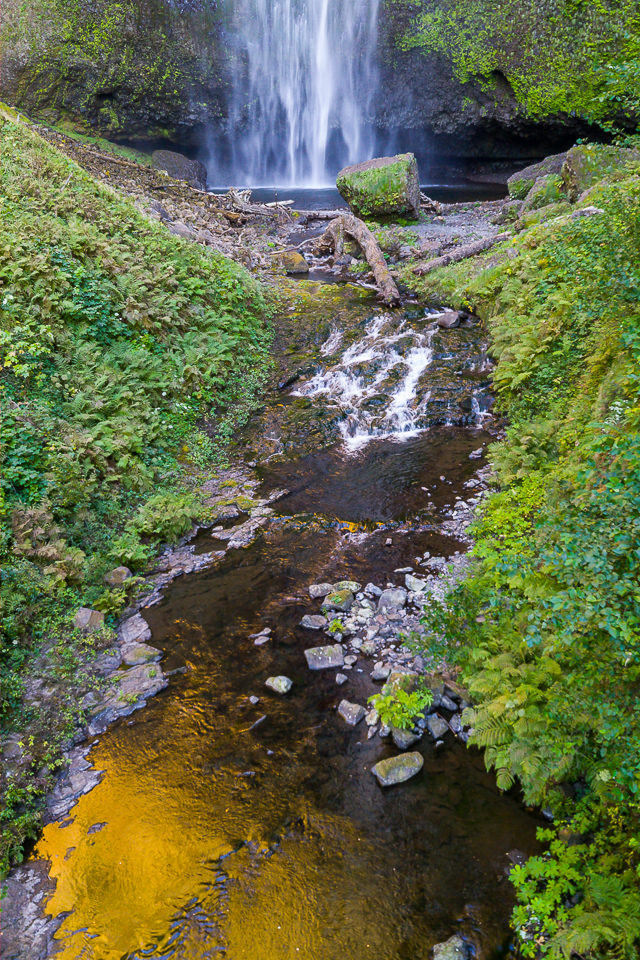
LG-H810 @ 4.42mm, ISO 50, 1/15, f/1.8
The amount of potential detail and resolution of a large sensor system is pretty evident, especially when looking at images at 100% view. Take a look at the below image from the Pentax 645Z medium format camera:

PENTAX 645Z + smc PENTAX-FA645 45-85mm F4.5 @ 45mm, ISO 200, 2/1, f/11.0
And take a look at the incredible detail and resolution offered by this camera, when viewed at 100% zoom:

100% Zoom from a cropped area
With a bit of sharpening added to the image, I know I can make a very large print that will look incredible even when viewed at close distances. Thanks to modern technologies, such as in-body 5-axis image stabilization and super high-resolution modes offered by cameras like the Pentax K-1 by moving the sensor and creating composite images, even more detail can be achieved at pixel level, reducing the gap in performance between full-frame and medium format even further.

LG-H810 @ 4.42mm, ISO 200, 1/25, f/1.8
Would I have similar thoughts and considerations if I were to shoot portraits? Probably not, as I would find my full-frame system to be more than adequate for those particular needs.

LG-H810 @ 4.42mm, ISO 250, 1/25, f/1.8
Therefore, it is up to each person to decide what their goals and priorities are with their camera system. I do not mind providing images from my iPhone 6 Plus or my LG G4 on this website at 960 pixel-long resolution as I have done in this article, but if I had to provide much larger resolution images, I would not be comfortable with that choice. Images this small look great, but the moment you start looking at them at 100% zoom, they start looking like mud in comparison to what I can get with my Nikon D810. It does not matter that smartphones have 10+ MP sensors – the actual pixel-level detail they are capable of producing is limited 2-3 MP, maybe a little more.

At such a close distance, even my LG G4 can do a pretty decent job at isolating subjects
LG-H810 @ 4.42mm, ISO 50, 1/270, f/1.8
And it is not just about resolution, ISO performance or details either – the tiny pixels on smartphones severely limit their dynamic range, which is quite evident when capturing high contrast scenes. While you can use certain features like HDR in order to get around some situations, there is only so much that a small sensor system can recover. In addition, you will never be able to get the same amount of data from a smaller sensor. The iPhone 7 might be able to shoot images in RAW format, but we know those won’t be the same 14-bit images we can get from large sensor cameras. There won’t be nearly enough headroom to be able to recover all the colors, let alone extreme highlights and shadows.

iPhone 6 Plus + iPhone 6 Plus back camera 4.15mm f/2.2 @ 4.15mm, ISO 40, 1/120, f/2.2
Lastly, the creative opportunities on smartphones are very limited, even with the iPhone 7 Plus that has a secondary telephoto lens. Even though it is a 56mm equivalent, it will never be able to compete with a 50mm f/1.4 prime on a full-frame camera. With its limited aperture of f/2.8, everything from 6.4 feet and further will be in focus. That’s why Apple is blurring out the background via software, as it is impossible to create enough subject isolation through the built-in lens and sensor (speaking of which, the secondary sensor on the telephoto lens is actually smaller).

LG-H810 @ 4.42mm, ISO 100, 1/40, f/1.8

LG-H810 @ 4.42mm, ISO 50, 1/160, f/1.8
3) Summary
When I posted the article about the iPhone 7 Announcement, talking about all the great camera features of the phone, I was a bit surprised to see a few comments and emails from our readers, who said things like “It’s another nail in the coffin for paid photography in all areas”, or “iPhone will soon replace DSLRs”. While overall image quality and features are certainly getting better on smartphones, they will never be able to compete with dedicated interchangeable-lens camera systems. It is one thing to take a decent picture in broad daylight and totally different when photographing people in a dim wedding reception.

I don’t see how my smartphone is going to be able to take a picture like the one above in the future. But who knows, perhaps some day smartphone engineers will prove me wrong…
Hope you’ve enjoyed the article and the images. Would love to hear your thoughts on this in the comments section below!
The post Are Smartphones Threatening the Camera Industry? appeared first on Photography Life.
Photography Life
If you are interested in Digital Camera, click the link to read more.
from SLR Camera http://ift.tt/2d1bTko


